Testdrive : Sony FE 300mm F2.8 GM
Sony FE300 f/2.8 GM mounted on Sony A7RVI
The Sony FE 300mm F2.8 GM OSS is one of those lenses that immediately makes sense when you start using it in the field. It combines something that traditionally hasn't been easy to achieve: 300mm reach, a fast F2.8 aperture, exceptional optical quality and surprisingly low weight.
At approximately 1,470 grams without the tripod mount, it is the lightest 300mm F2.8 telephoto prime in its class. Sony has also carefully balanced the lens so that the weight isn't concentrated toward the front, making it considerably more practical for handheld wildlife photography.
For high-resolution Sony bodies such as the A7R V and A7R VI, this lens is an especially compelling combination.
Outstanding image quality
The first thing you notice is the level of detail.
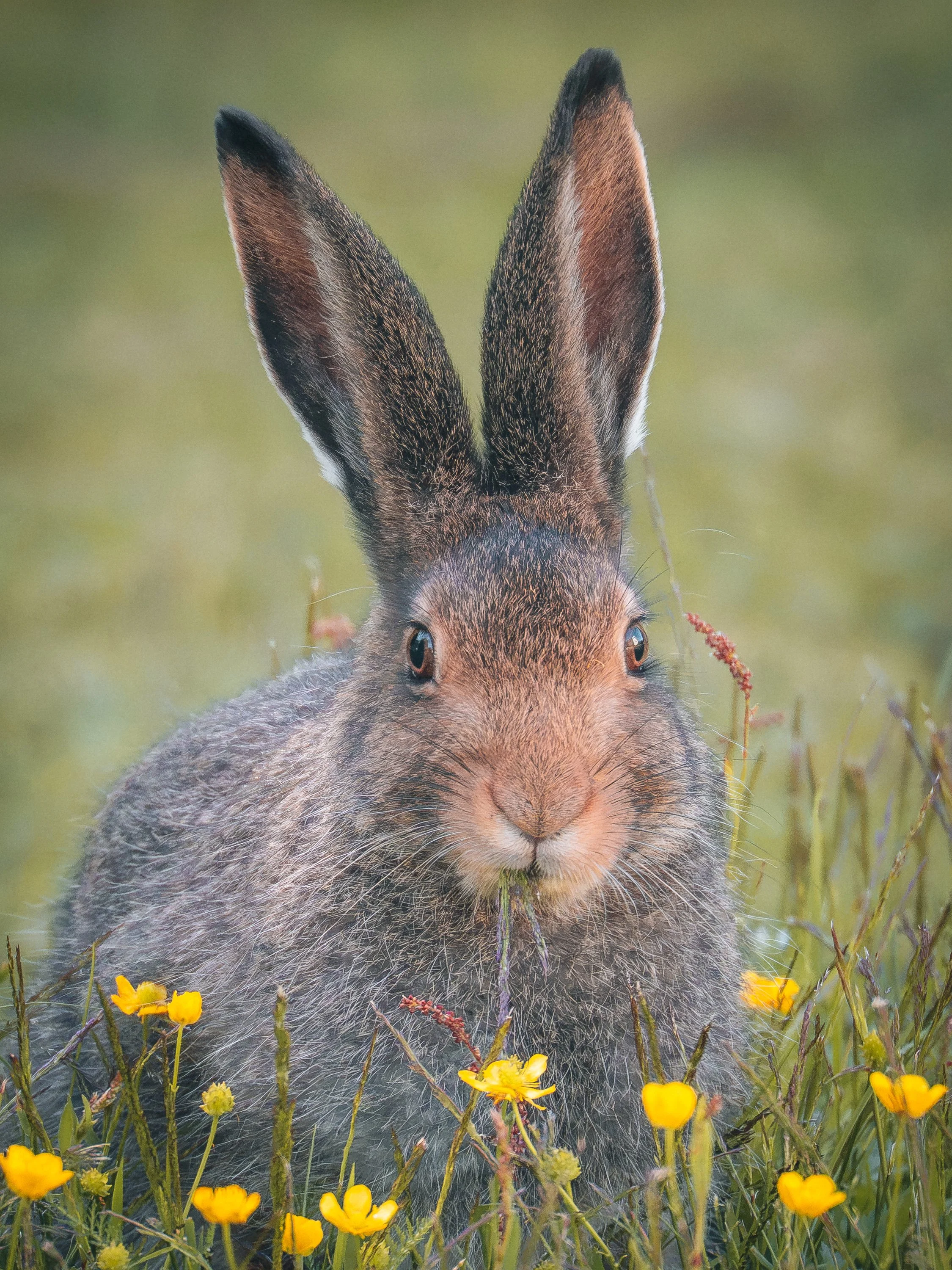
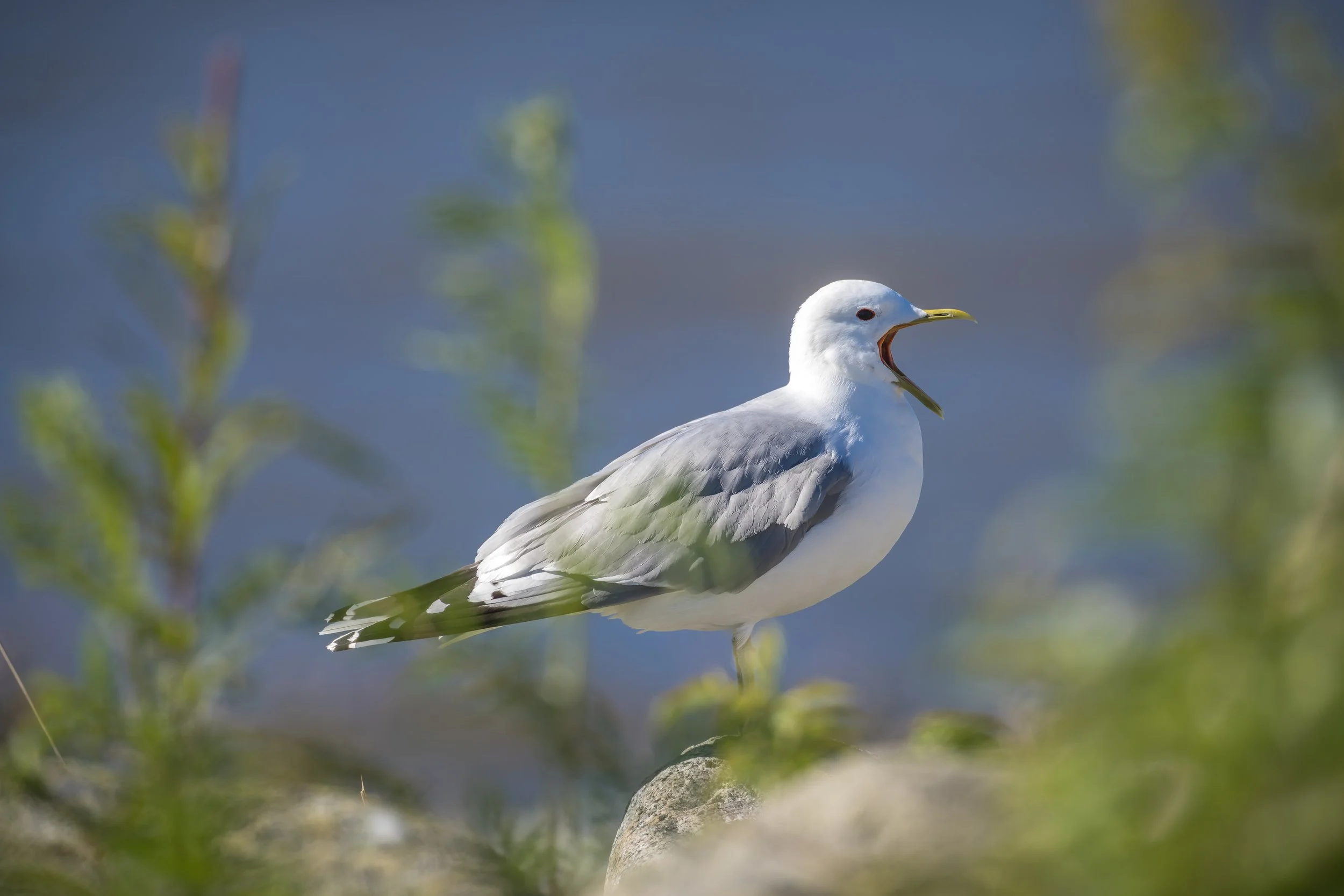
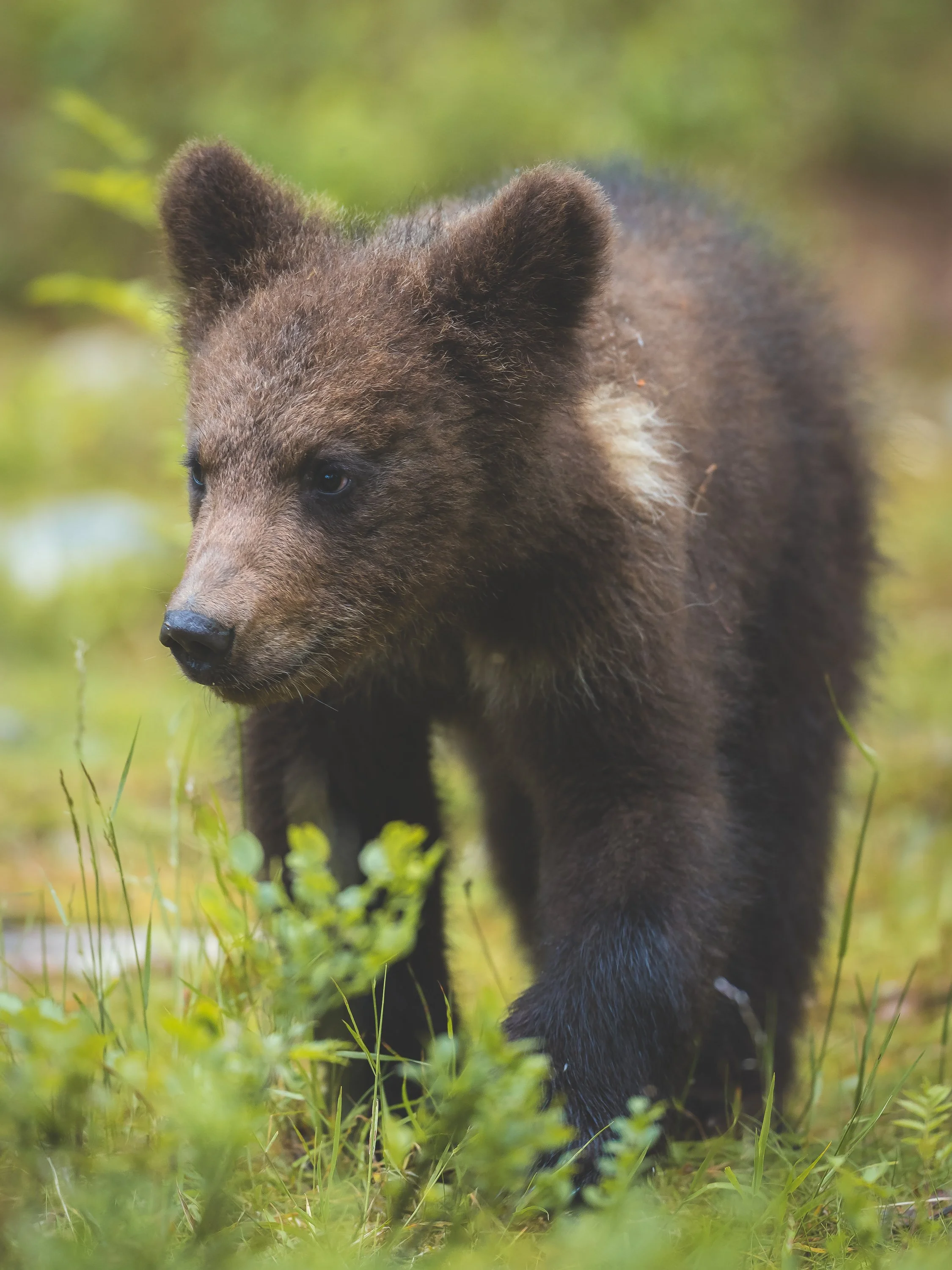
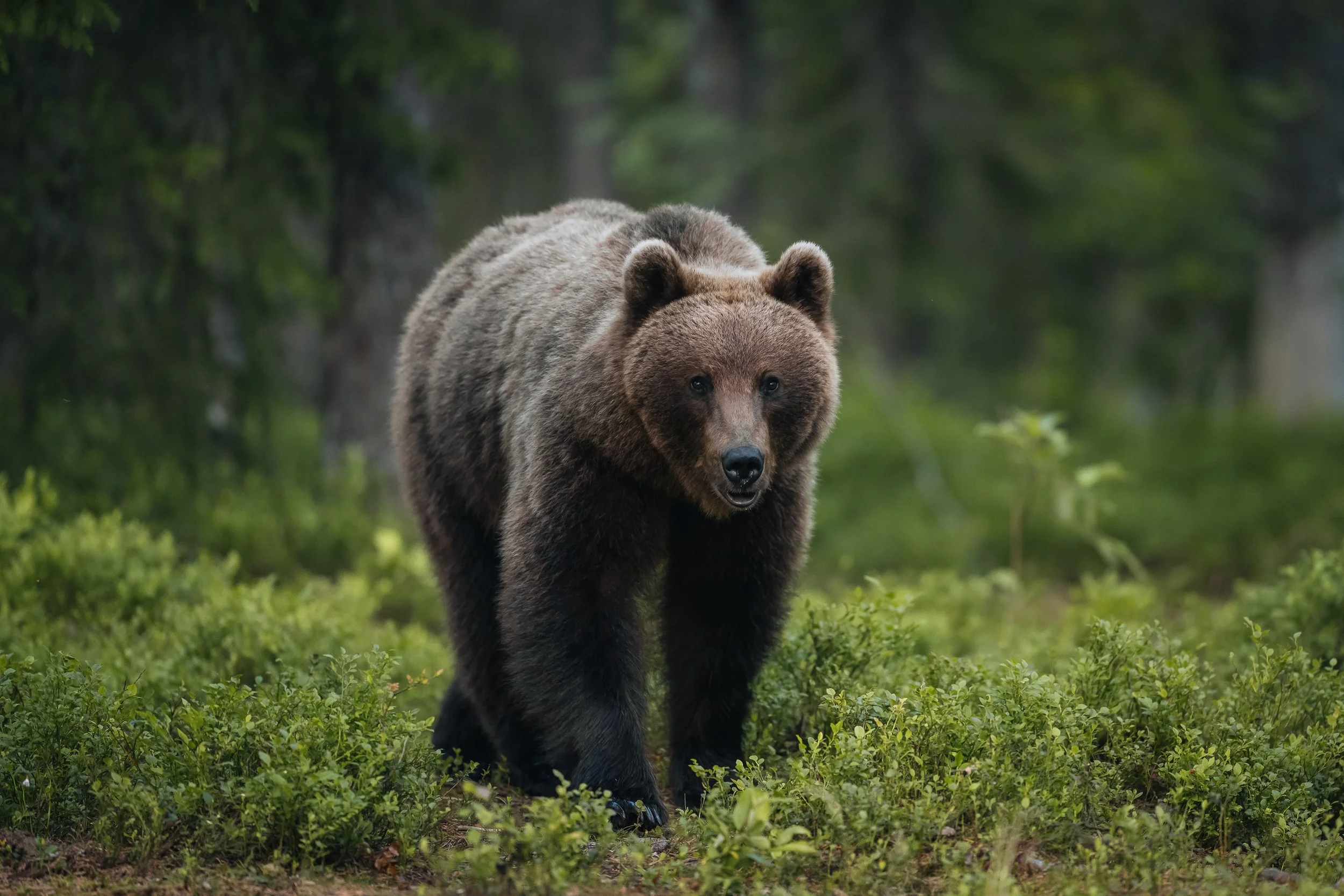
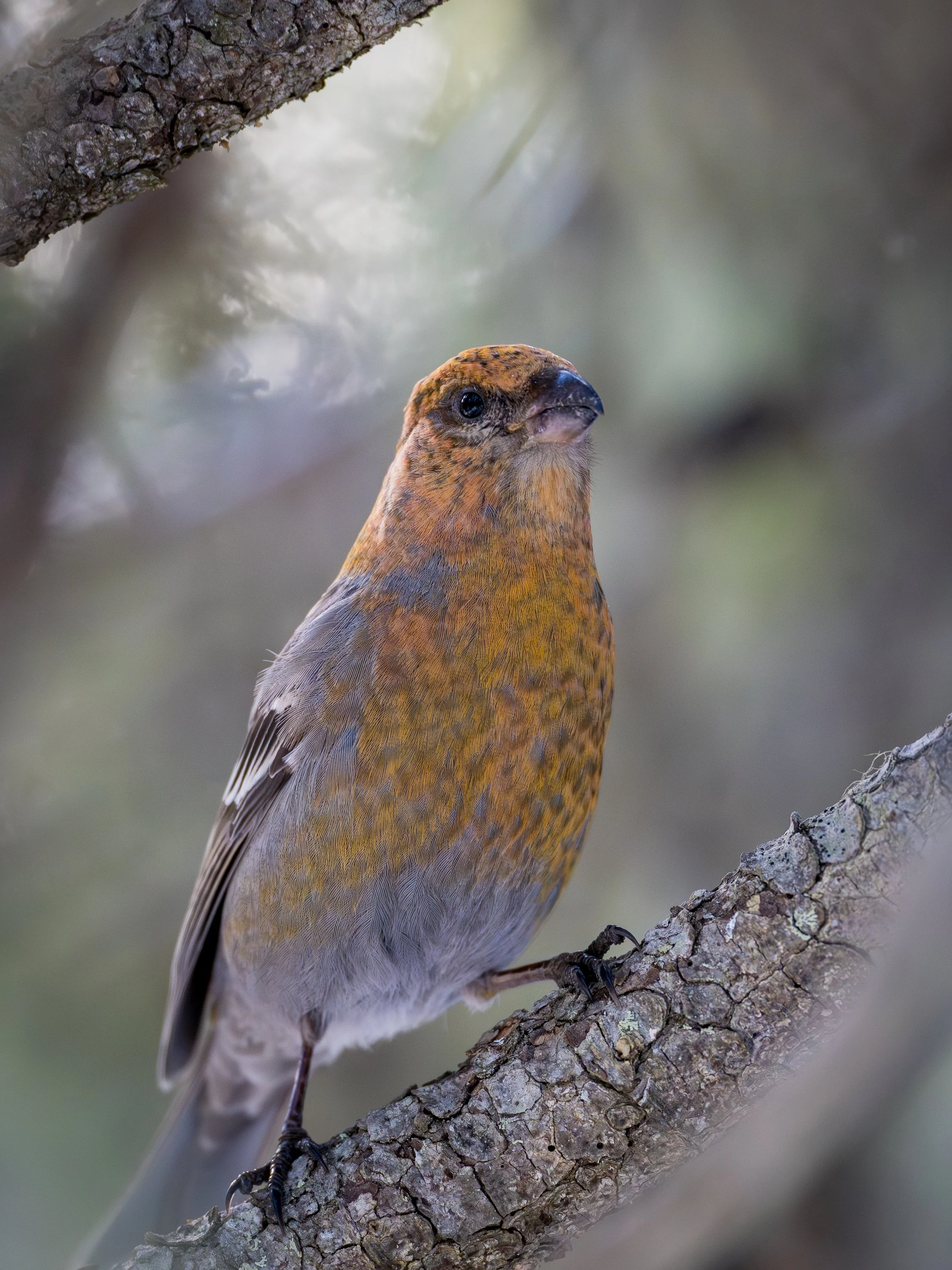
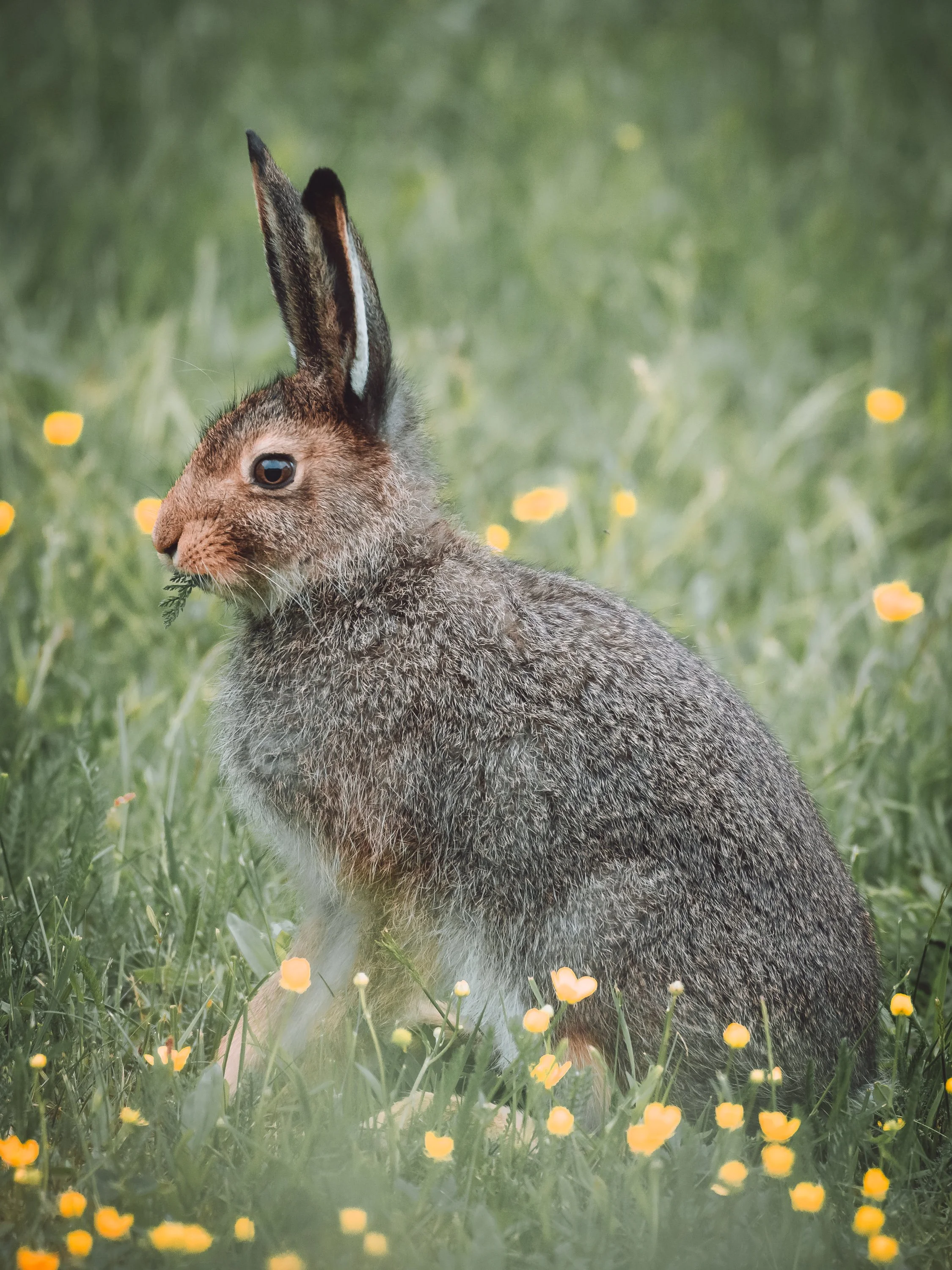
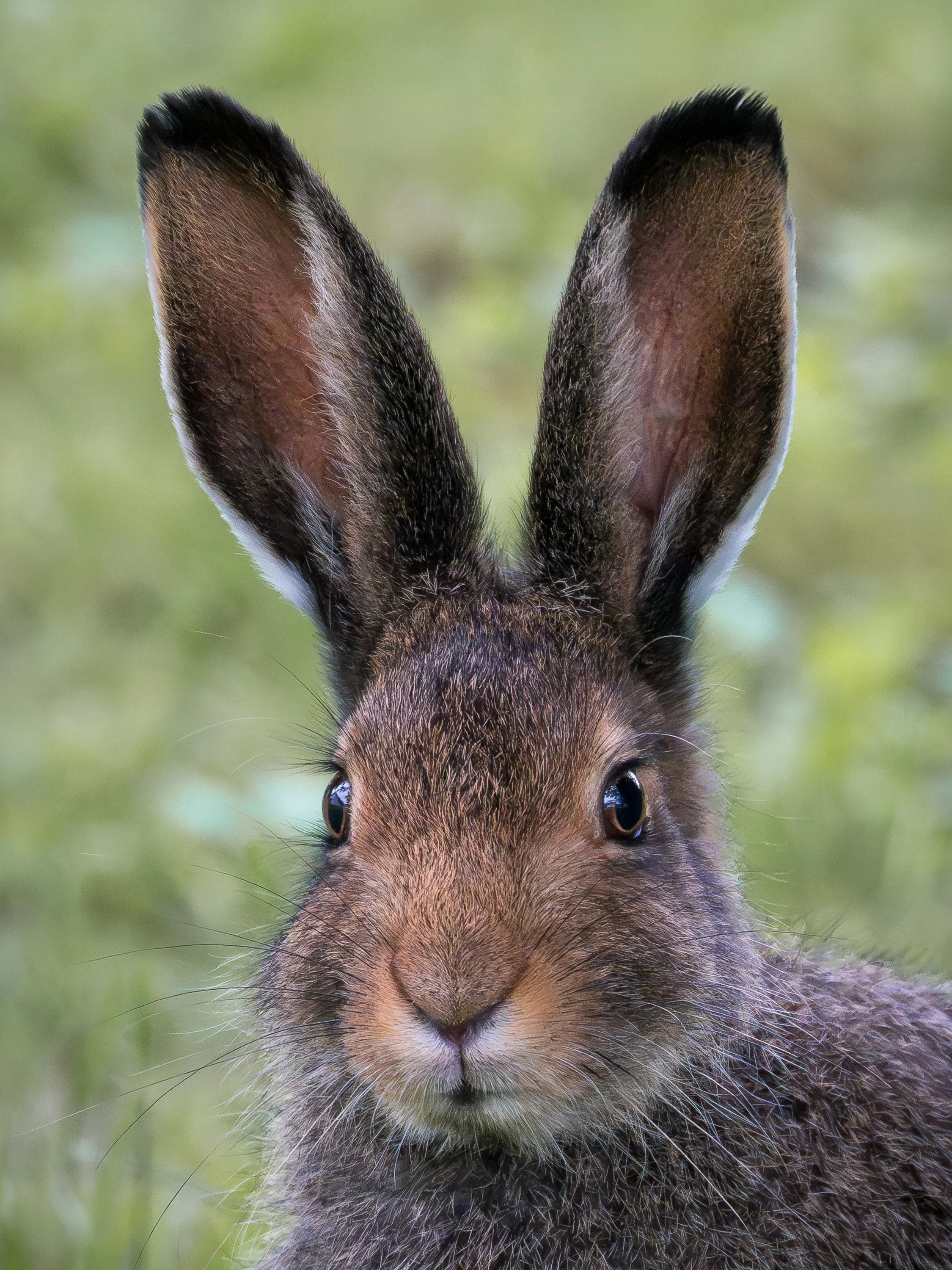
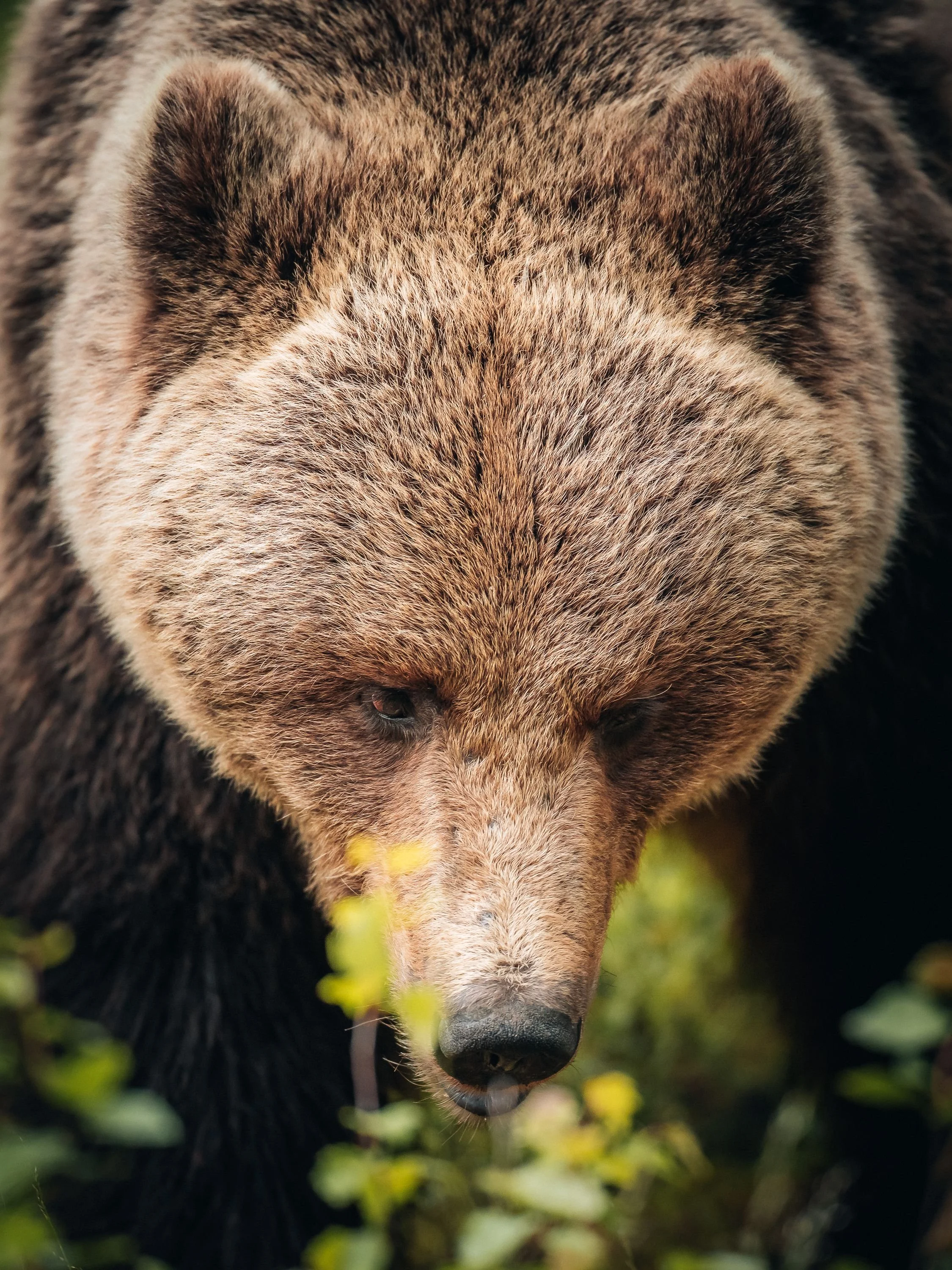
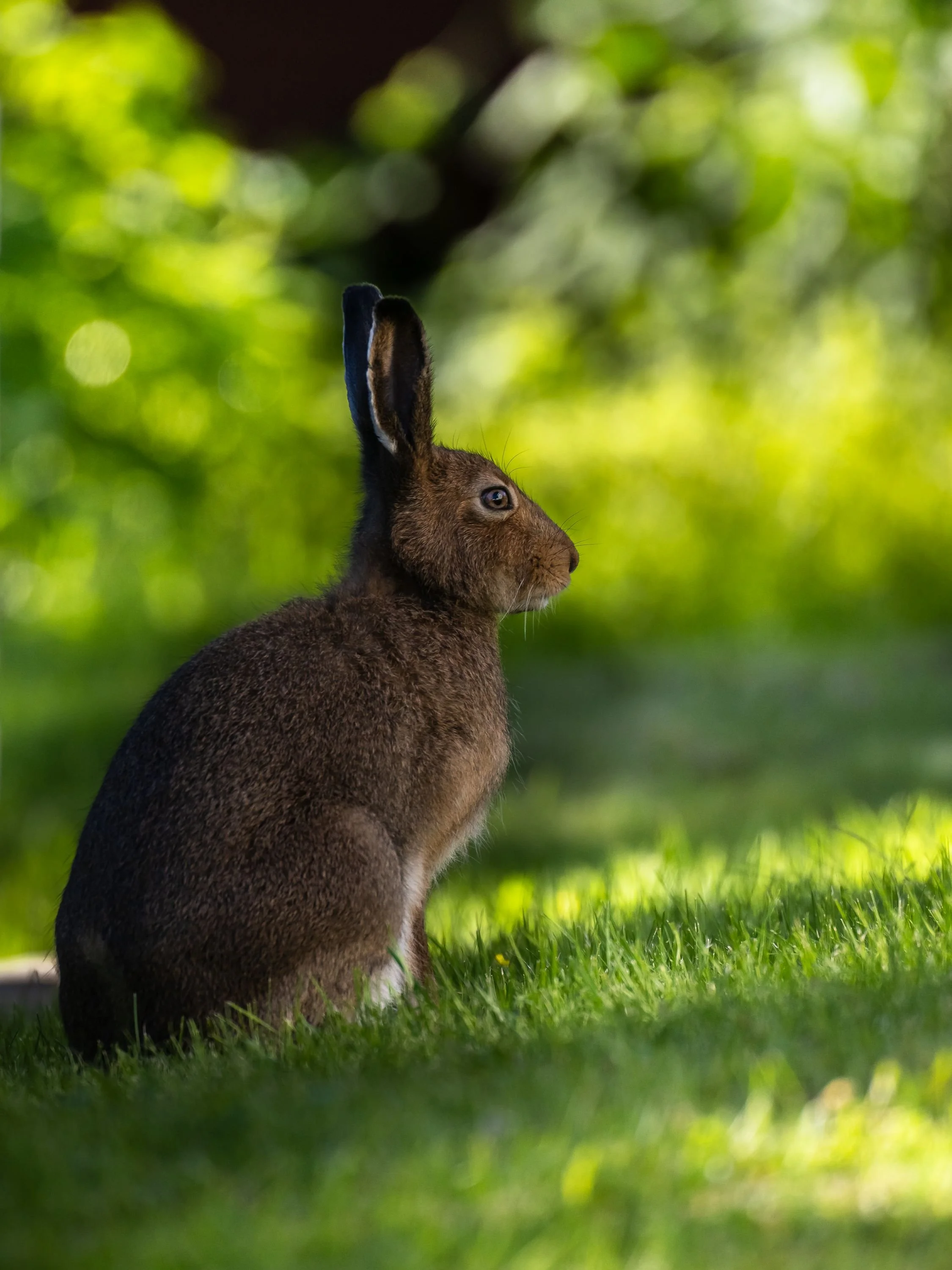
The 300mm F2.8 GM delivers the kind of resolution that makes full use of Sony's high-resolution sensors. Fine feathers, fur, eyes and small textures are rendered with remarkable clarity, while the F2.8 aperture produces excellent subject separation and beautifully smooth backgrounds.
The optical design uses three Super ED and one ED element to control chromatic aberration, together with Sony's Nano AR Coating II to reduce flare and ghosting. The result is excellent contrast and clarity even in demanding lighting conditions.
This is particularly important with a 60MP-class camera. A lens that is merely "good" can become the limiting factor when paired with a very high-resolution sensor. The 300mm GM is very much designed to avoid that bottleneck.
A surprisingly compact and light 300mm F2.8
A 300mm F2.8 has traditionally been a serious piece of equipment.Sony has managed to make this one remarkably manageable.
At 1.47 kg, it is genuinely light enough for extended handheld shooting. The carefully balanced construction also makes the lens feel lighter than the specifications might suggest because the mass isn't excessively concentrated at the front. This matters enormously with wildlife. You can track a bird in flight, reposition quickly or follow an animal for an extended period without constantly fighting the weight of the lens.
It changes the way you use a 300mm F2.8. Instead of thinking of it primarily as a tripod or monopod lens, you can realistically treat it as a handheld wildlife lens.
Autofocus: fast enough for modern Sony bodies
The autofocus system is another major strength. The lens uses two XD (Extreme Dynamic) Linear Motors, designed specifically for fast, precise and quiet focusing. Sony designed the lens to keep up with its fastest camera bodies, with support for extremely high-speed shooting.
In independent testing on the A7R IV, autofocus was measured at around 0.25 seconds, with very little hunting and reliable acquisition in both good and poor light. With a modern high-performance Sony body, the combination becomes even more impressive.
For wildlife, fast AF isn't simply about focusing quickly once. It is about continuously tracking a moving subject, maintaining focus as it moves unpredictably through the frame and recovering rapidly when the subject changes direction. The 300mm GM is exceptionally well suited to that job.
A perfect match for high-resolution cameras
This is perhaps where the lens becomes particularly interesting. A camera such as the Sony A7R V or A7R VI gives you enormous amounts of resolution. The obvious advantage for wildlife is cropping. A 300mm image can be cropped substantially while still retaining a very large, detailed file. That gives the combination a useful flexibility:
300mm F2.8 → high-resolution sensor → crop when necessary.
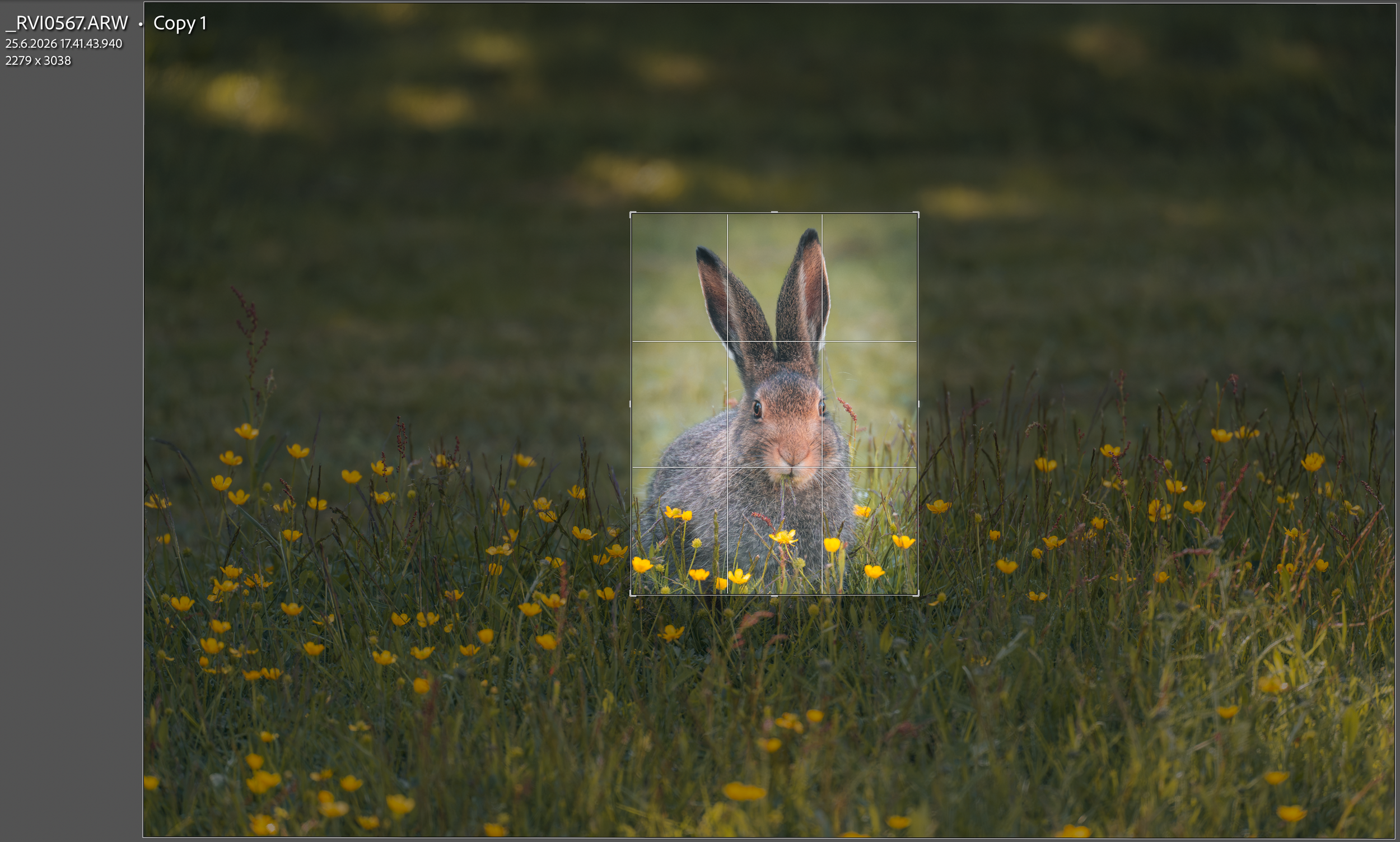
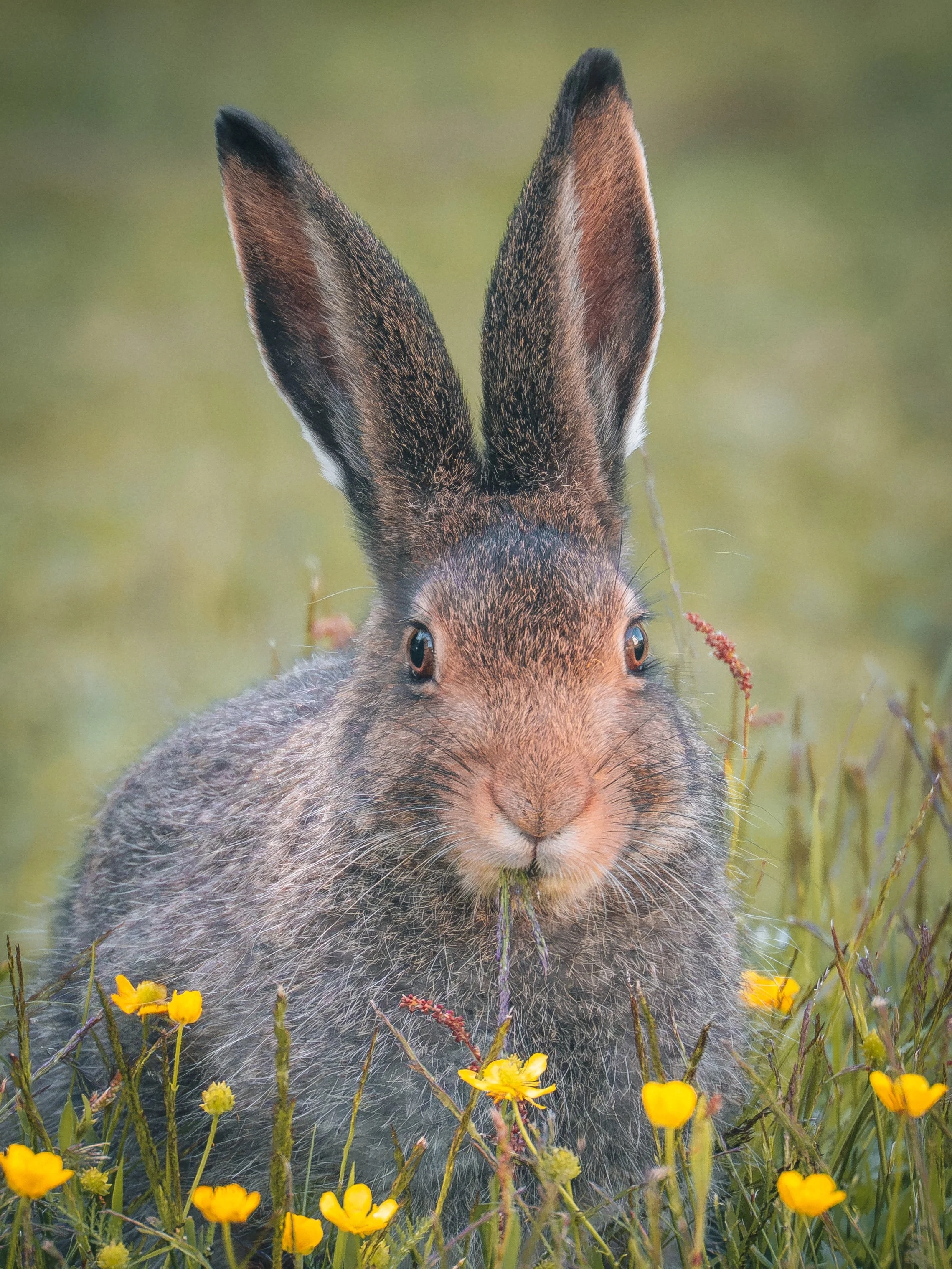
You don't always need a 600mm lens. And when the subject is closer, the 300mm focal length can actually be much more useful than 600mm. For birds, mammals and larger wildlife, this makes the 300mm GM an excellent middle ground between a 70-200mm zoom and a massive 600mm prime.
F2.8 makes a difference
The F2.8 aperture isn't just about background blur. It gives you an extra stop of light compared with an F4 lens, which can be crucial when photographing wildlife during early morning, late evening or under forest canopy.It also allows you to maintain faster shutter speeds while keeping ISO under control. And then there is the aesthetic advantage. At 300mm F2.8, the subject can be beautifully isolated against a soft, compressed background. The 11-blade circular aperture contributes to smooth out-of-focus rendering.
Built-in stabilization
The lens includes Optical SteadyShot, with three stabilization modes including a panning mode and a mode optimized for erratic moving subjects. When combined with Sony's in-body stabilization, it provides a highly effective stabilization system. For handheld wildlife photography, this is a major advantage. It doesn't replace a fast shutter speed when photographing moving animals, of course. But it helps stabilize the viewfinder image and reduces camera shake when the subject itself isn't moving rapidly.
Control panel
And then…the teleconverters
One of the best features of the 300mm GM is its compatibility with Sony's 1.4× and 2× teleconverters.
With the 1.4× converter you effectively get:
420mm F4
With the 2× converter:
600mm F5.6
That makes the lens much more versatile than a conventional 300mm prime.
For a wildlife photographer, this is extremely useful.
You can carry one relatively compact prime and adapt it to different situations rather than carrying multiple large telephoto lenses.
Wildlife performance
This is where the 300mm F2.8 GM really shines.
It combines almost everything you want:
300mm reach
F2.8 aperture
exceptional sharpness
beautiful bokeh
extremely fast autofocus
optical stabilization
relatively low weight
excellent balance
high-resolution compatibility
1.4× and 2× teleconverter support
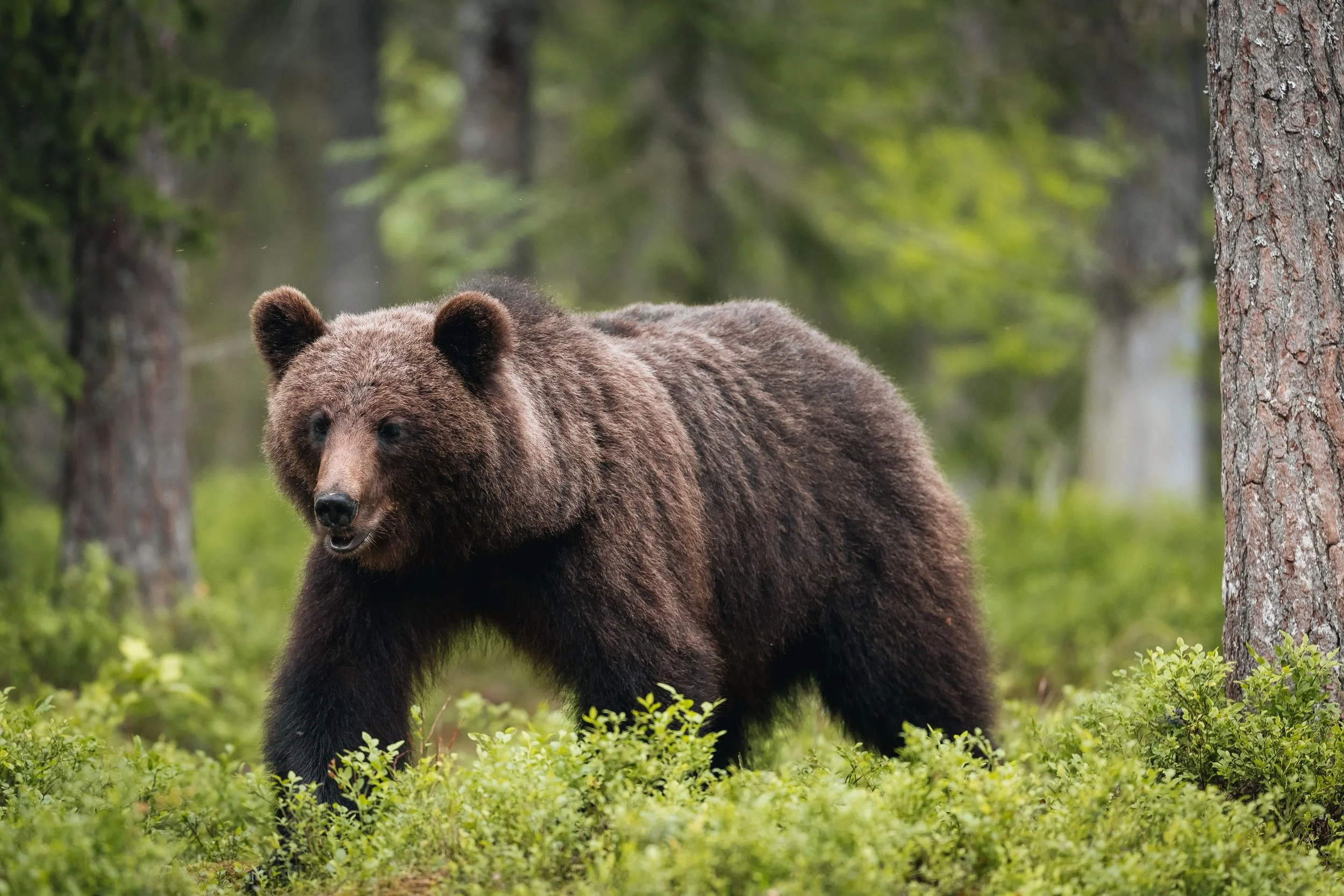
It is equally convincing for mammals, birds, wildlife portraits and birds in flight.
And because the lens is relatively light, you can remain mobile rather than being tied to a tripod.
The price
There is really only one obvious downside: the price. This is a professional G Master prime, and Sony currently lists it at around 7000k€ in the EU. It is therefore not a casual purchase. But if you are already working with a high-resolution Sony body and serious wildlife photography is a priority, the lens makes considerably more sense.
Verdict
The Sony FE 300mm F2.8 GM OSS is an exceptional wildlife lens. Its biggest achievement isn't any single specification. It is the combination of specifications. F2.8. 300mm. 1.47 kg. Outstanding optical quality. Extremely fast AF. Optical stabilization. Teleconverter compatibility. That combination makes it unusually versatile.
For a photographer using a high-resolution Sony body such as an A7R V or A7R VI, the 300mm GM is particularly compelling. The lens provides the optical performance necessary to take advantage of all those pixels, while the high-resolution sensor provides the cropping flexibility that makes 300mm surprisingly powerful for wildlife.
The result is a setup that is small enough to carry, light enough to handhold, fast enough for difficult light and sharp enough to satisfy the demands of a high-resolution sensor.
Bottom line: If wildlife photography is your priority and you want a professional 300mm F2.8 without carrying the weight traditionally associated with this class of lens, the Sony 300mm F2.8 GM is exceptionally hard to beat.
It is close to a perfect companion for serious wildlife photography.
Lens test was performed in June 2026 with a loaner from Sony Nordic.